The first stars and galaxies
JWST observations at z > 10 disagree with models of how the first stars and galaxies formed and how black holes grew.
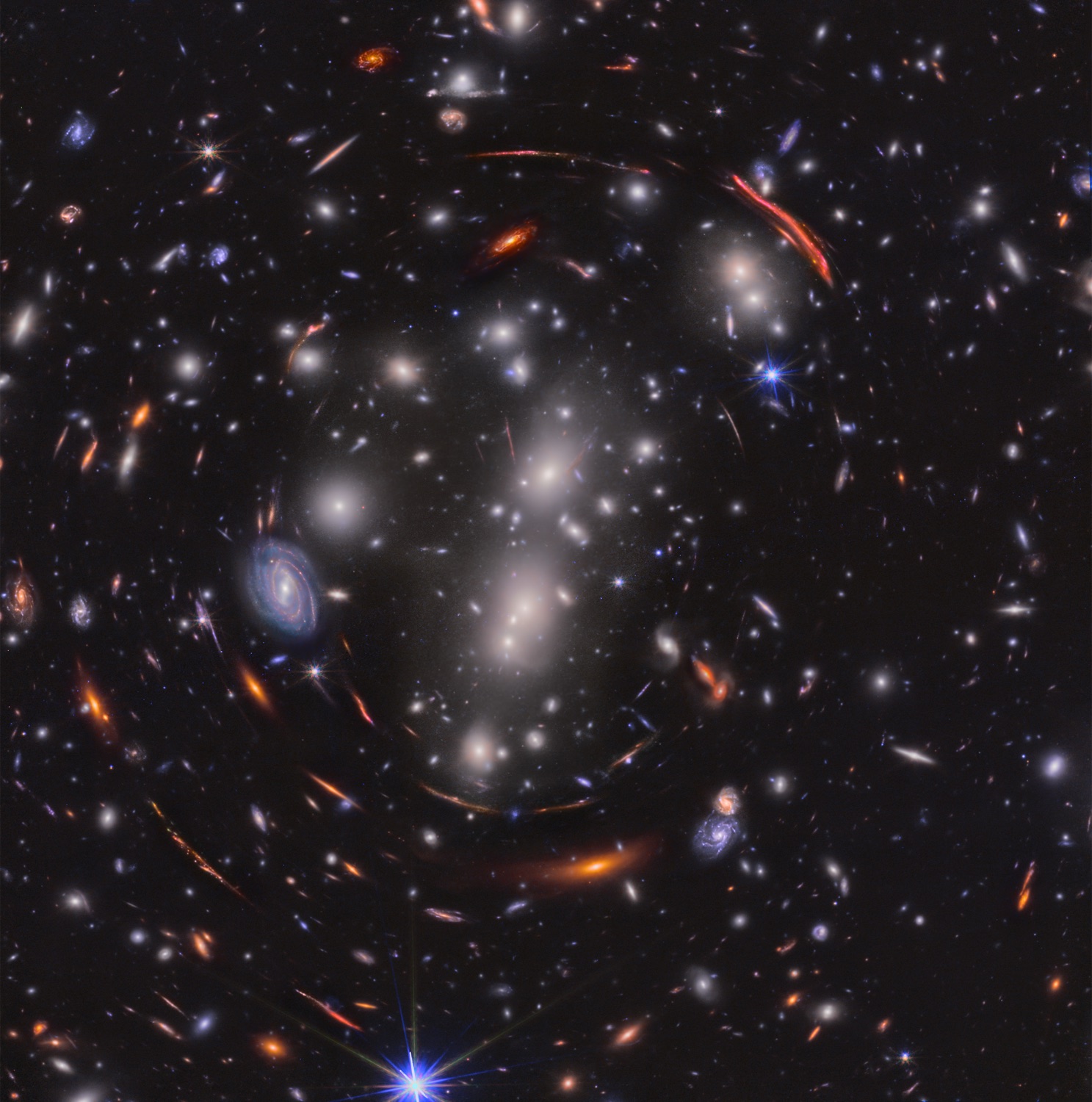
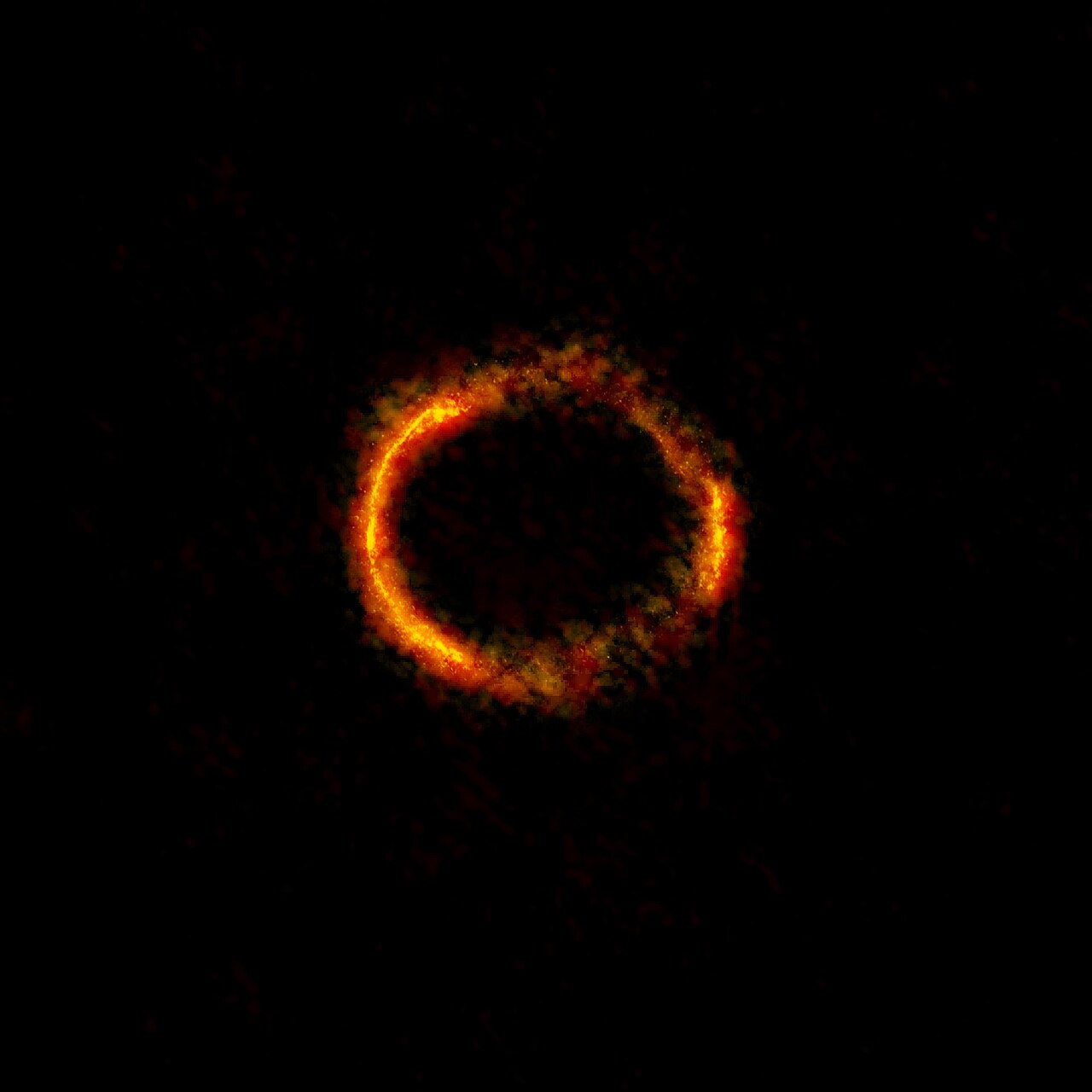
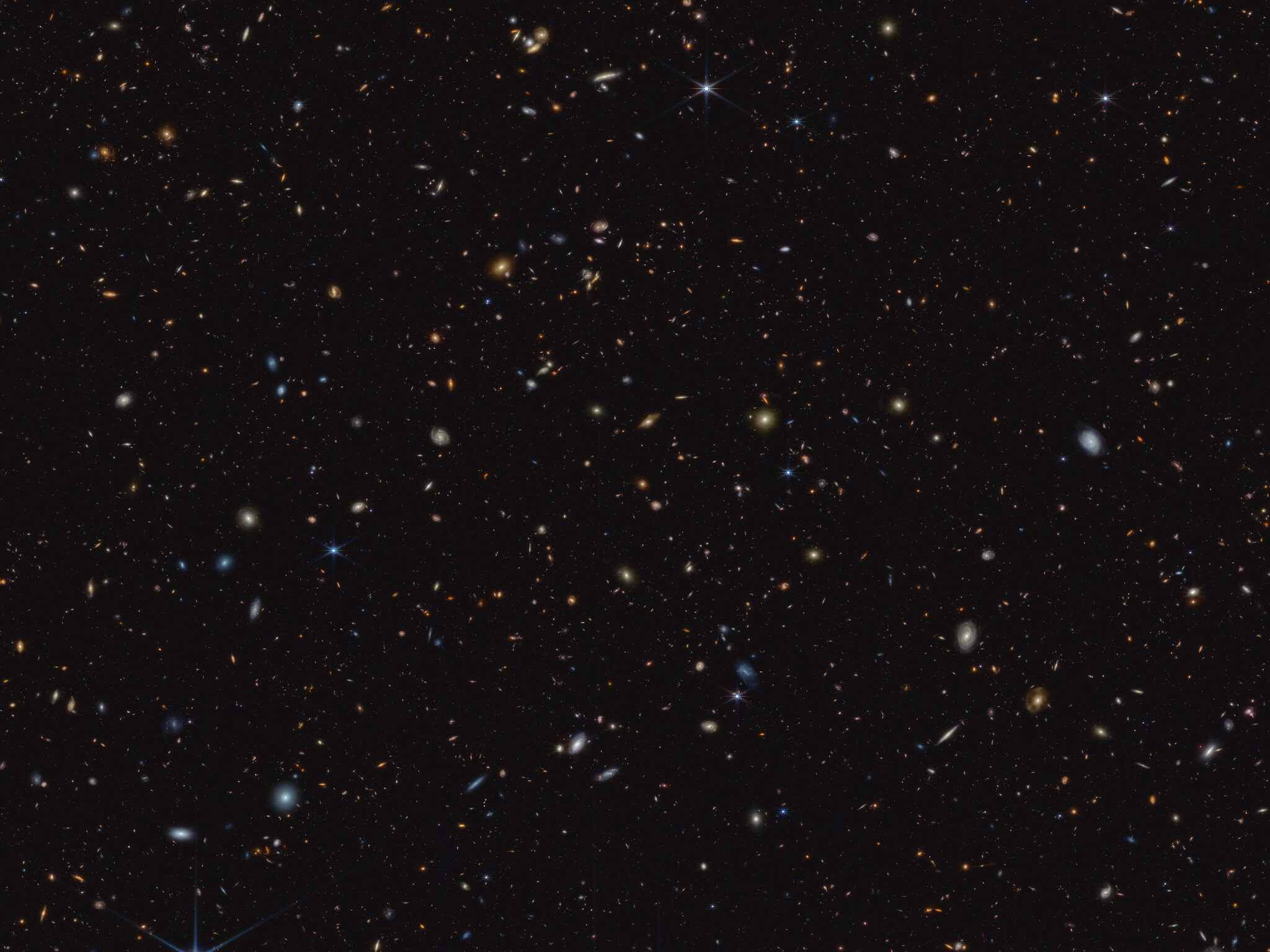
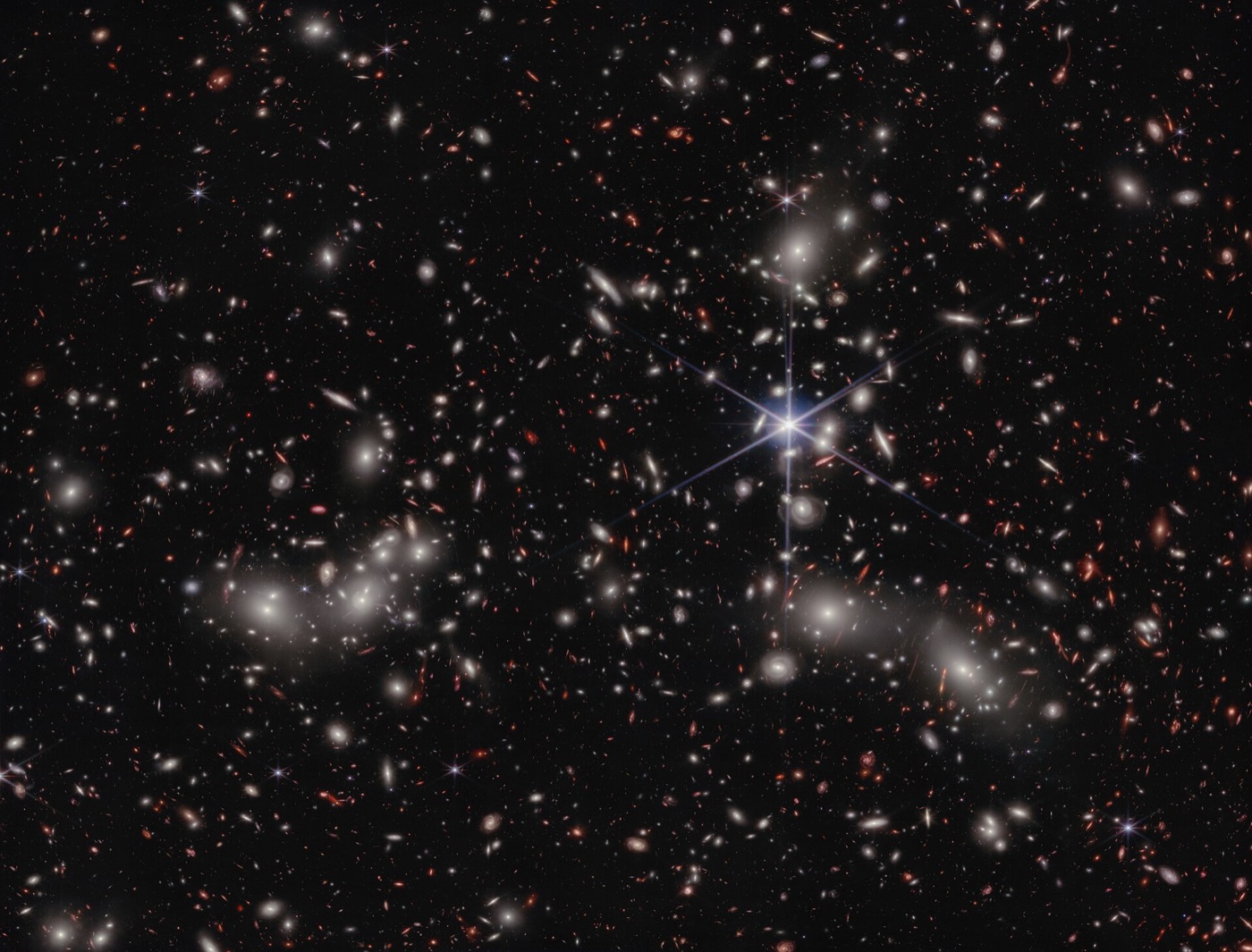
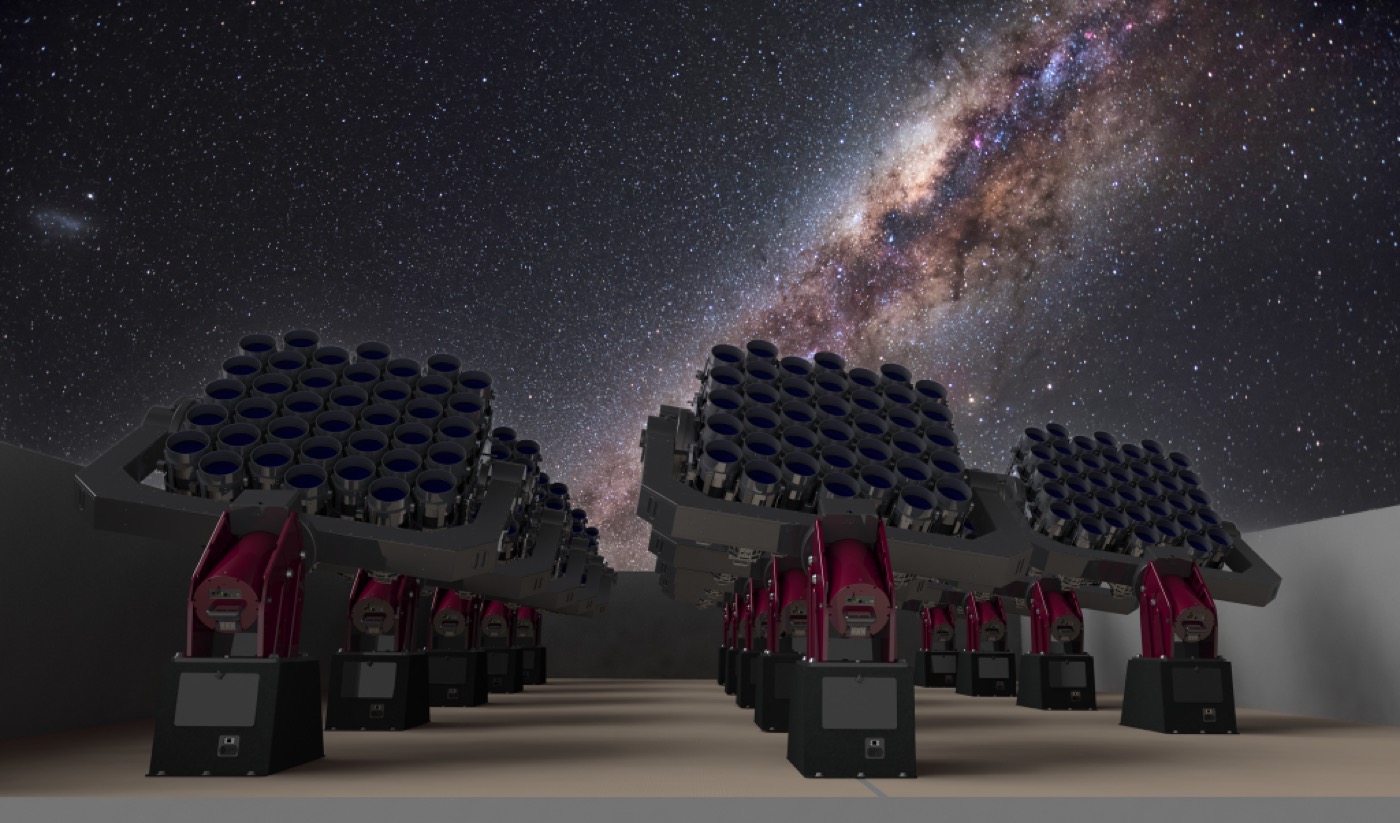
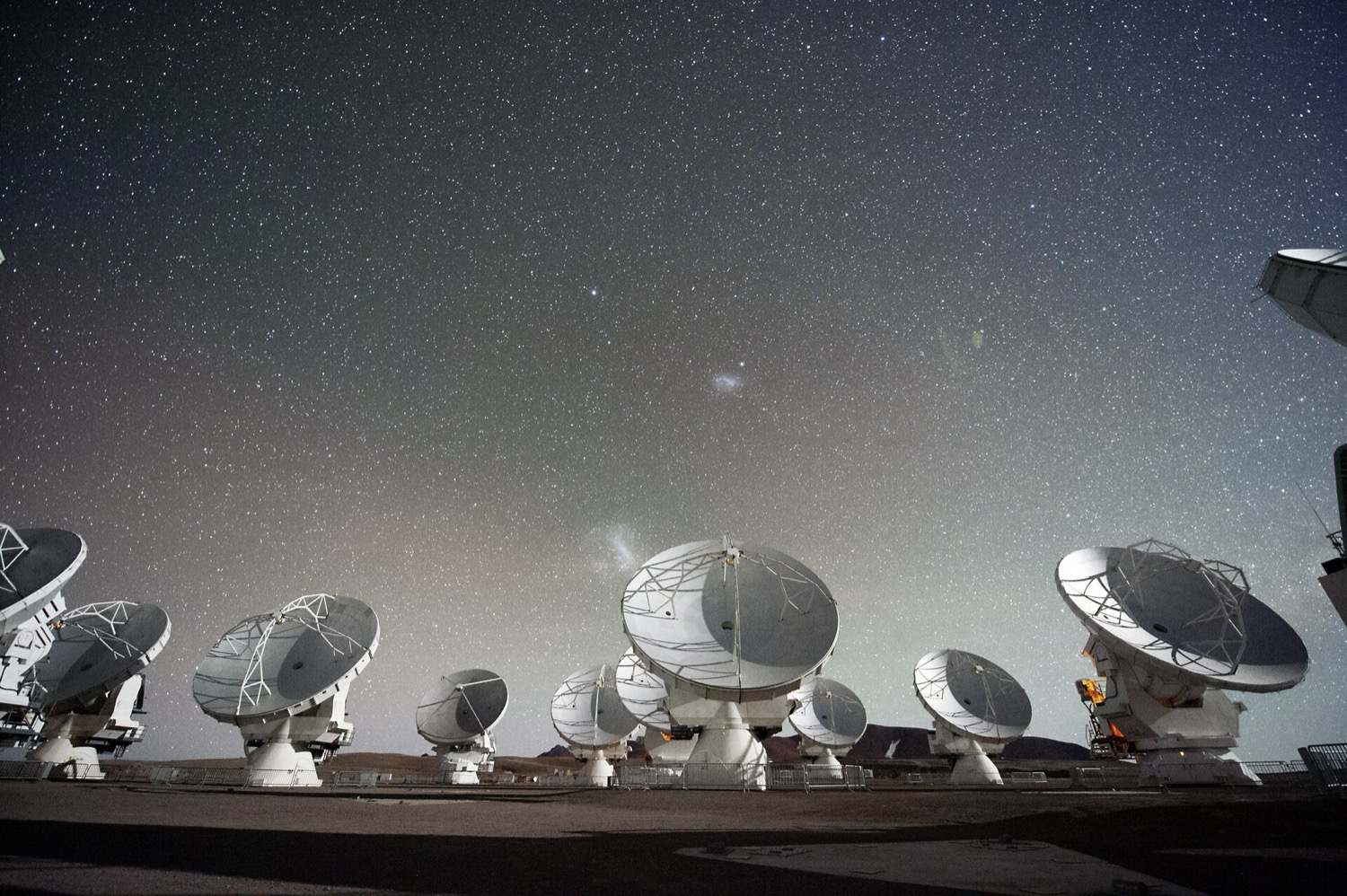
Northern Light pursues the first light of the Universe, the era when the first stars and galaxies ended the cosmic dark ages, the earliest black holes grew, and the intergalactic medium was reionized. We approach that dawn through observation, theory, and data science, the three lights that meet in our emblem. JWST has brought the first billion years into direct view, but these questions will outlast any one instrument. The initiative connects researchers at the University of Toronto and York University, most of them within a few blocks of each other.

JWST observations at z > 10 disagree with models of how the first stars and galaxies formed and how black holes grew.
Models of black hole seeding and growth have to account for supermassive black holes seen within a few hundred million years of the Big Bang.
Radiation from the first sources reionized the intergalactic medium. When it happened, how it spread, and which sources drove it are still uncertain.
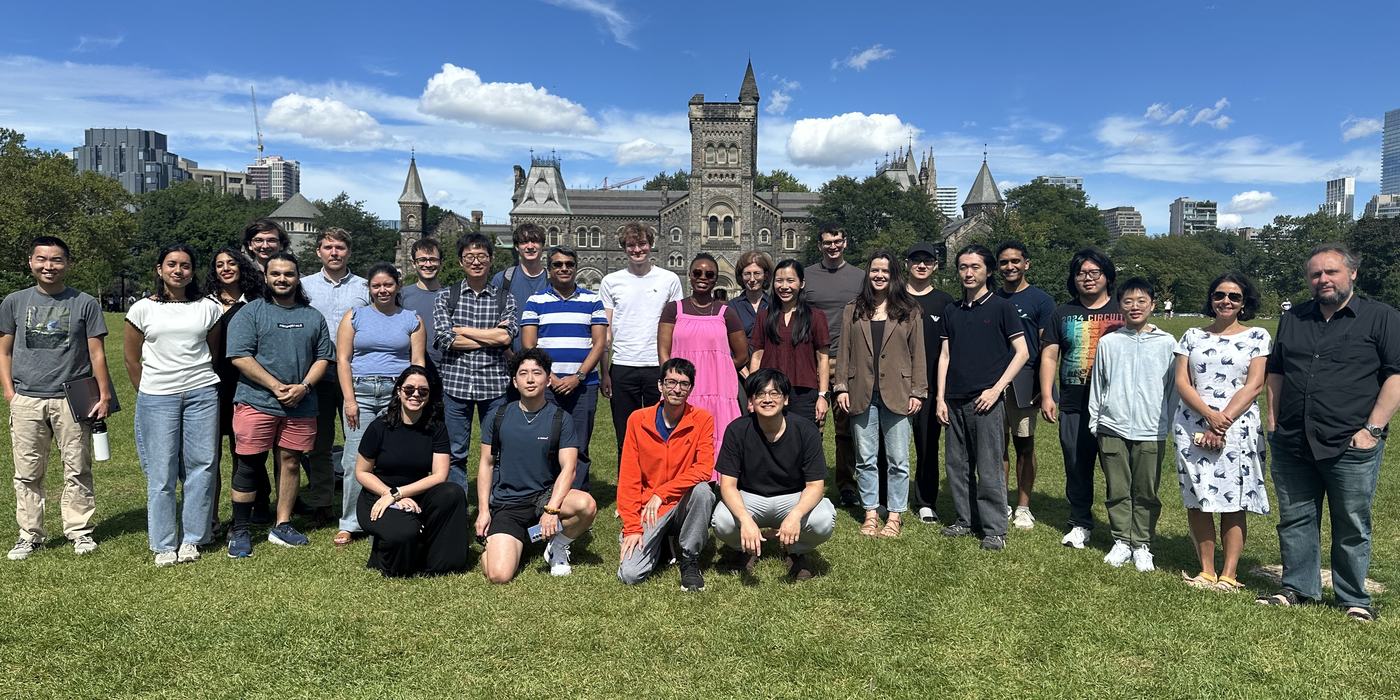
Four coordinators, one each from DADDAA, CITA, York and Statistical Sciences, covering both universities and all three pillars.
Support for research visits and postdoctoral work in Toronto.
Institutions where members have active collaborators on current projects.
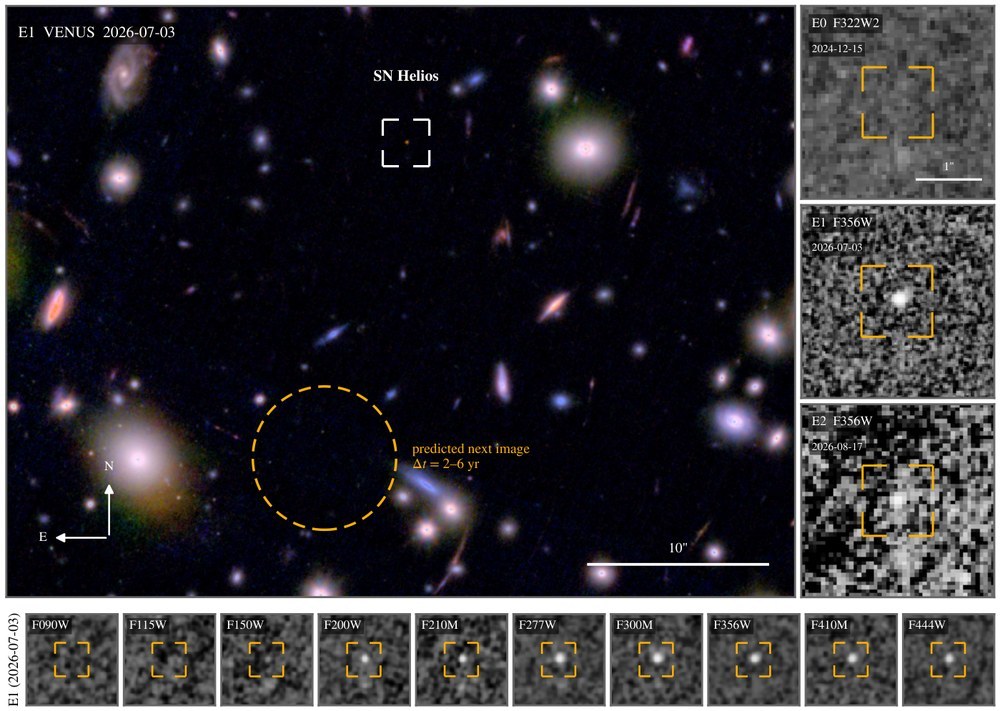 Preprint Sep 2026 SN Helios: a multiply imaged Type II supernova opening time-delay cosmography beyond redshift of 3 Seiji Fujimoto
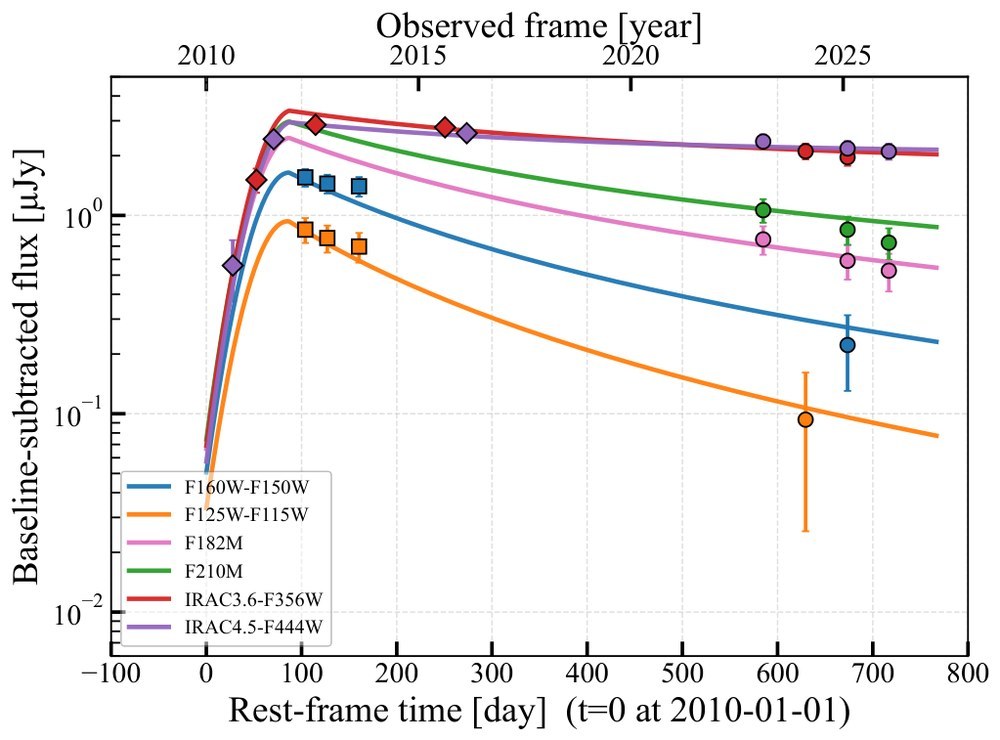 Preprint Sep 2026 A tidal disruption event in a quasar at redshift 7.19 Seiji Fujimoto
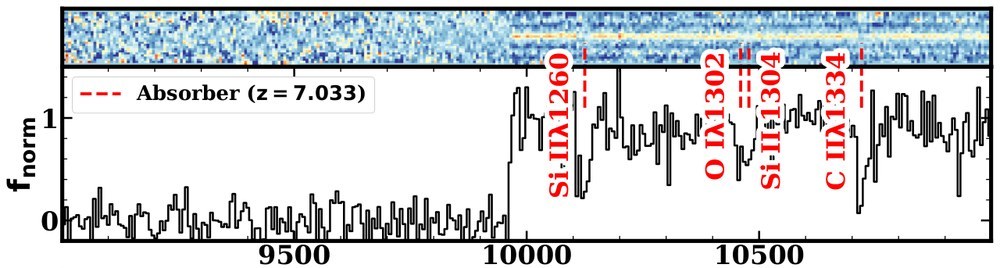 Preprint Sep 2026 A dense, metal-rich absorber driven by a heavily dust-obscured galaxy: the direct evidence of CGM enrichment at z ∼ 7 Qinyue Fei
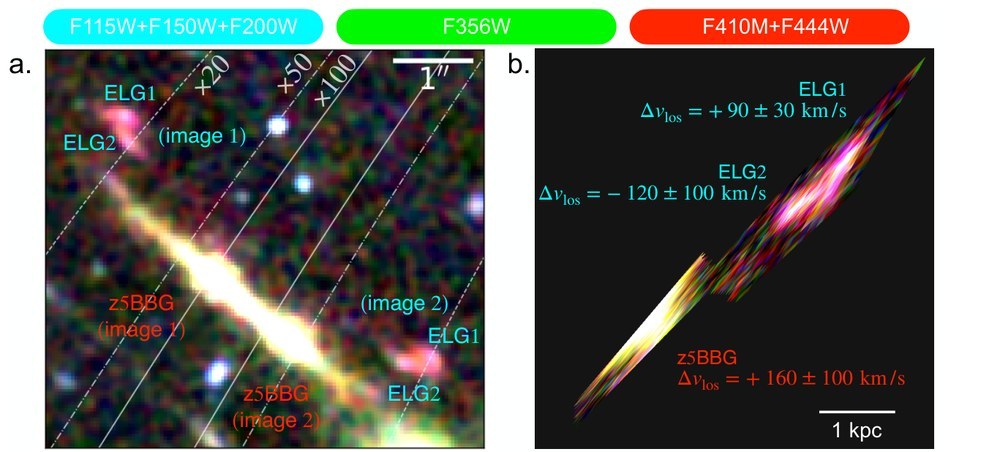 Preprint Sep 2026 Early steps in the hierarchical assembly of a Milky Way-mass galaxy 1 Gyr after the Big Bang Yoshihisa Asada